The impact of the Middle East conflict on global logistics and your shipping.

Mar 9, 2026
8 min.
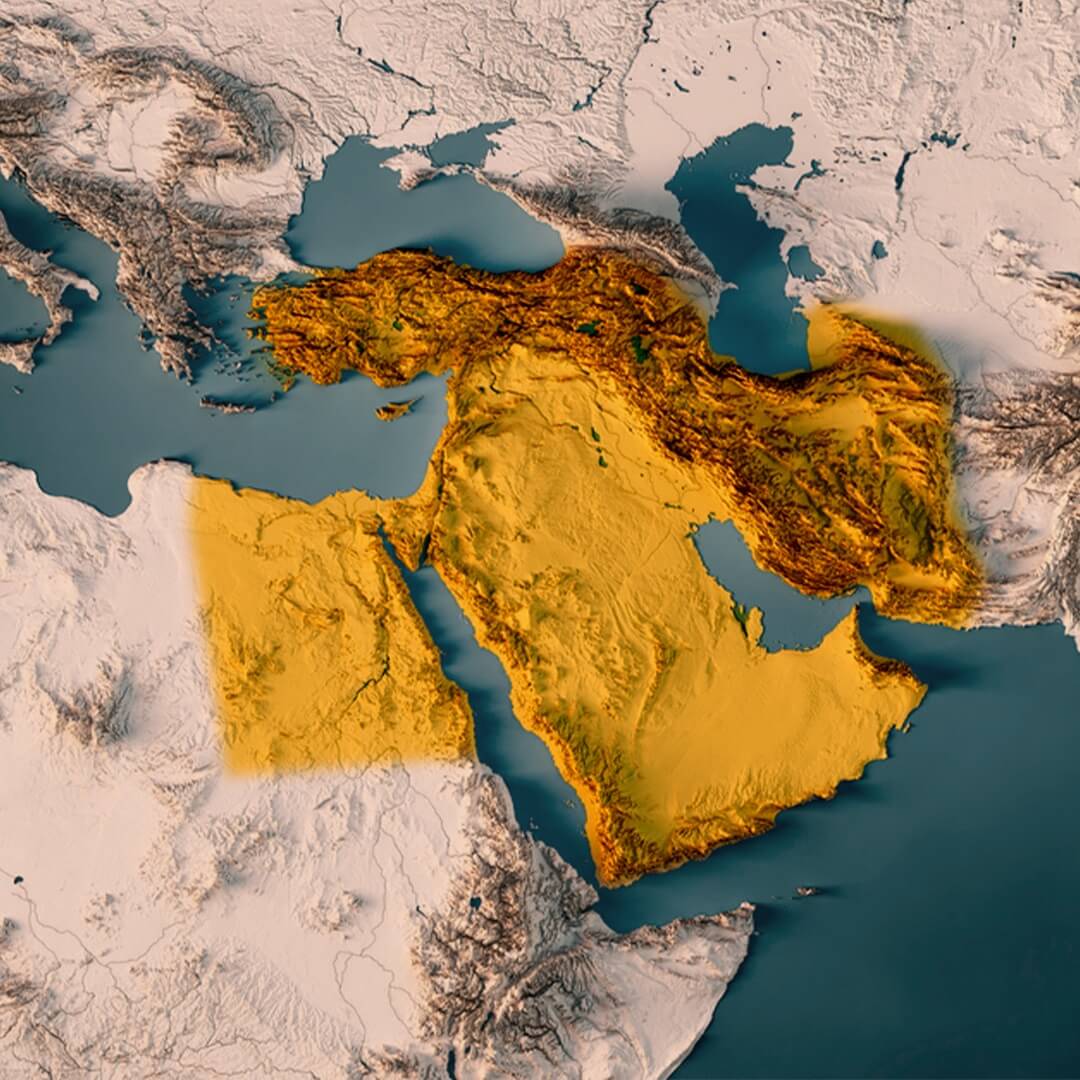
When supply chains suddenly take longer, transport routes have to be changed at short notice and shipping costs rise, it quickly becomes clear: geopolitical conflicts are also affecting logistics.
This is exactly what is currently happening in connection with the Middle East conflict. Closed airspace, diverted shipping routes and reduced transport capacity are putting pressure on international shipping networks.
For businesses, this means one thing above all: more planning, more flexibility – and a close look at their own supply chains.
But why do events in this region have such a rapid impact on international logistics?
Why the Middle East conflict affects global supply chains
The Middle East is one of the most important hubs in international trade. Many air and sea freight routes between Europe, Asia and Africa pass through this region – so political tensions have a correspondingly significant impact on global transport networks.
When key routes become unsafe or need to be adjusted at short notice, well-established logistics processes quickly come under pressure. Shipments suddenly take longer, planned delivery dates become harder to meet and transport capacity can become scarcer.
Key trade routes and logistics hubs are also currently only partially accessible. Transport providers are responding by adapting their networks, using alternative routes or temporarily adjusting individual services.
In short: the situation is changing the rules of the game in international shipping.
To help you stay on top of things, we’ll show you how the current situation is affecting international logistics – and what companies should be paying particular attention to right now.
Logistics Update: The conflict in the Middle East – What companies need to know
- Key trade routes are partially restricted
- Air and sea freight must adapt routes
- Transit times for international shipments may increase
- Transport capacity may become limited
- Flexible shipping solutions are gaining importance
What impact is the Middle East conflict having on international logistics?
The Middle East is a key hub for international trade flows. Many air and sea freight routes between Europe, Asia and Africa pass through this region.
When tensions arise there, supply chains worldwide feel the impact.
The current security situation poses several challenges:
- restrictions on air traffic due to closed or high-risk airspace
- diversions of cargo ships and longer sea routes
- reduced transport capacity within the international network
- rising transport and insurance costs
In practice, this means that airlines must change routes or cancel flights. Shipping companies are opting for longer routes to avoid sensitive regions.
This often results in longer transit times – in some cases by several days or even weeks.
Insurers are also responding to the situation. Higher risk premiums are being charged for certain maritime areas, which can lead to additional costs in international transport.
Which transport sectors are particularly affected by the Middle East conflict?
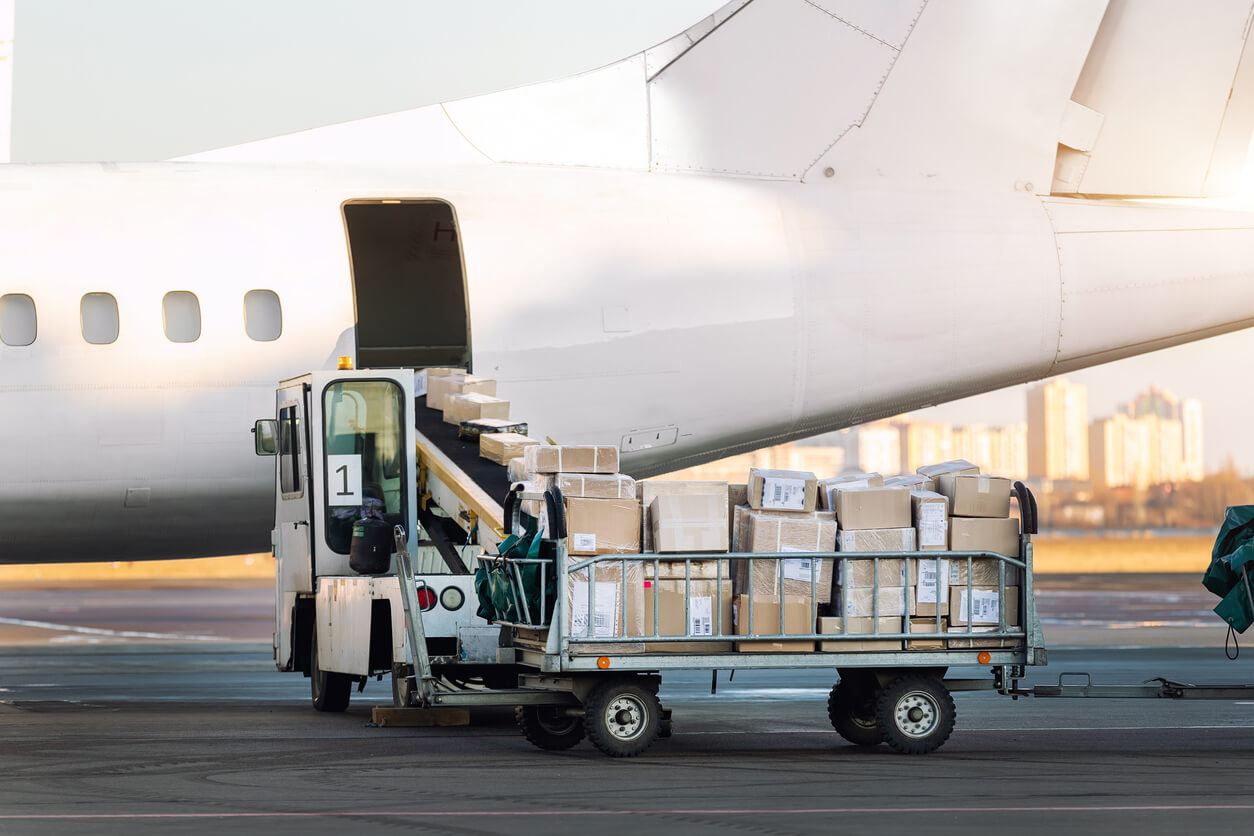
Air freight: adjustments to flight routes and capacities
Air freight is particularly sensitive to geopolitical conflicts.
Even minor changes in airspace can have a major impact on flight routes and capacities.
Currently, the following factors, among others, are leading to restrictions:
- closed or restricted airspace
- flight cancellations or diversions
- reduced capacity in the international network
When major flight routes are cancelled, airlines must use alternative routes. This not only extends flight times – it often also means less available cargo capacity.
For businesses, this can quickly become apparent: longer transit times, limited options or rising prices.
Sea freight: rerouting and longer transit times
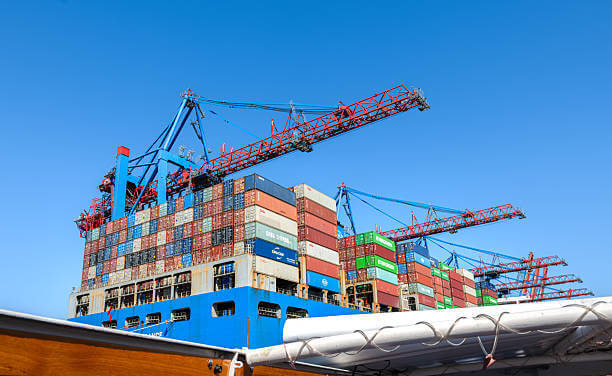
Maritime transport is also affected by geopolitical tensions – particularly in strategically important shipping lanes.
Possible impacts:
- Ship rerouting
- Longer transit times
- Higher fuel and insurance costs
When shipping companies avoid certain regions, ships must take alternative routes. This can significantly extend transport times in some cases.
| Affected route | Status / Measure | Impact (approx. figures) |
|---|---|---|
| Suez Canal / Red Sea | Diversion via the Cape of Good Hope | 10 to 14 days’ transit time |
| Air freight (Middle East hubs) | Increased volume / security checks | Possible peak surcharges |
| Global sea freight | Capacity bottlenecks due to vessel rotations | Fluctuating rates (PSS) |
For businesses, this can mean that planned delivery dates are postponed, production chains come under pressure, or stock levels need to be re-planned.
Global supply chains under pressure
The Middle East is a key hub for international goods flows. When this part of the global logistics network comes under pressure, it quickly affects many sectors.
Those affected may include, for example:
- Electronics and industrial goods
- Pharmaceutical products
- Energy-dependent supply chains
When transport capacity becomes scarcer or delivery times lengthen, this can lead to delays throughout the entire supply chain – from the manufacturer to the end customer.
How major shipping providers are responding to the situation
International shipping service providers are monitoring the situation closely and continuously adapting their networks.
| Shipping service providers | Current measures (examples) |
|---|---|
| DHL Express | Adjustment of flight routes and transport capacity |
| FedEx | Changes to flight schedules and alternative routes |
| UPS | Temporary service adjustments on individual routes |
| DPD | Ongoing situation analysis and logistics advisories |
| DSV | Monitoring of networks and operational adjustments |
A spokesperson for an international logistics company stated: “The safety of our employees and transport networks is our top priority.”
At the same time, many providers are working to establish alternative transport solutions to keep supply chains as stable as possible.
Further information and official statements can be found here:
What does this mean specifically for your international shipments?
For companies that ship internationally, several effects may currently be noticeable:
- longer transit times for international shipments
- short-term adjustments to transport routes
- possible additional transport costs
- restricted services in certain regions
Particularly when supply chains are tightly scheduled, such changes can quickly become a problem.
The good news: modern logistics networks are significantly more flexible today than in the past. Many providers react quickly to geopolitical developments and adapt their transport routes accordingly.
Tips for businesses: How to keep your supply chains stable
In uncertain times, a flexible shipping strategy pays particular dividends.
These measures can help:
- plan international shipments well in advance
- consider flexible transport options
- use multiple shipping providers
- track and monitor shipments regularly
Multi-carrier shipping in particular enables companies to react flexibly to changes, utilise alternative shipping options and keep an eye on the shipping status at all times with integrated international shipment tracking.
Conclusion: Keep shipping solutions flexible
At the same time, however, it is also clear that modern logistics networks are significantly more adaptable today than they were just a few years ago.
For businesses, this means one thing above all else – flexibility is becoming a decisive factor. Those who can utilise various shipping options remain capable of acting even in turbulent times.
At LetMeShip, we are continuously monitoring developments in the Middle East and are in close contact with our shipping partners.
Through our multi-carrier shipping platform, businesses can quickly access alternative shipping solutions and flexibly manage their international shipments, such as parcels and pallets. Alternatively, they can arrange a free consultation at short notice.
This ensures your supply chains remain as stable as possible, even when conditions change at short notice.
FAQ
FAQ: The Middle East conflict and international supply chains
Are shipping costs rising due to the crisis?
Yes, the rerouting of ships around Africa results in higher fuel costs and longer transit times. Carriers often levy security surcharges (War Risk Surcharge) or peak season surcharges for this.
What alternatives are there to sea freight through the Red Sea?
For time-critical shipments, switching to air freight or sea-air combinations (e.g. via Dubai) makes sense. LetMeShip helps you compare these options in real time.
Should I expect longer delivery times for international shipments?
Definitely. For sea freight from Asia to Europe, transit times are currently extended by an average of two weeks. You should therefore factor in buffer times into your supply chain.
Should companies adjust their shipping plans at present?
In dynamic situations such as geopolitical conflicts, it can be sensible to plan shipping processes more carefully and allow for greater time buffers. For example, companies are exploring alternative transport options at an early stage or scheduling international shipments slightly earlier to better mitigate potential delays. Flexible shipping planning helps ensure that delivery dates are met as reliably as possible.
How can companies make their shipping processes more resilient to unexpected disruptions in logistics?
It is particularly in times of geopolitical uncertainty that the importance of flexible shipping structures becomes apparent. Companies benefit from not being reliant on a single transport route or shipping provider.
Those who can utilise multiple shipping options remain capable of acting – even if transport conditions change at short notice. In practice, many companies therefore rely on digital shipping platforms or multi-carrier solutions that allow different shipping providers and transport options to be managed centrally.
This makes it possible to select alternative shipping solutions more quickly, compare transit times and reschedule international shipments at short notice if necessary. Particularly in the face of dynamic developments in the global logistics network, this flexibility can be crucial to keeping supply chains as stable as possible.
Would you like to prevent disruptions within your supply chain or are you looking for transport alternatives?
Then we are always here to assist you personally. Arrange a free consultation with one of our shipping experts now.

Hi, I’m Eike 👋
I’m in the LetMeShip Sales team and ready to get the best rates and shipping options for you.
Let’s talk – We’re Here to Help!
Get a call back or book an appointment at your convenience.