Brexit: UK to introduce new Import Control System from 2024

Nov 15, 2023
11 min.
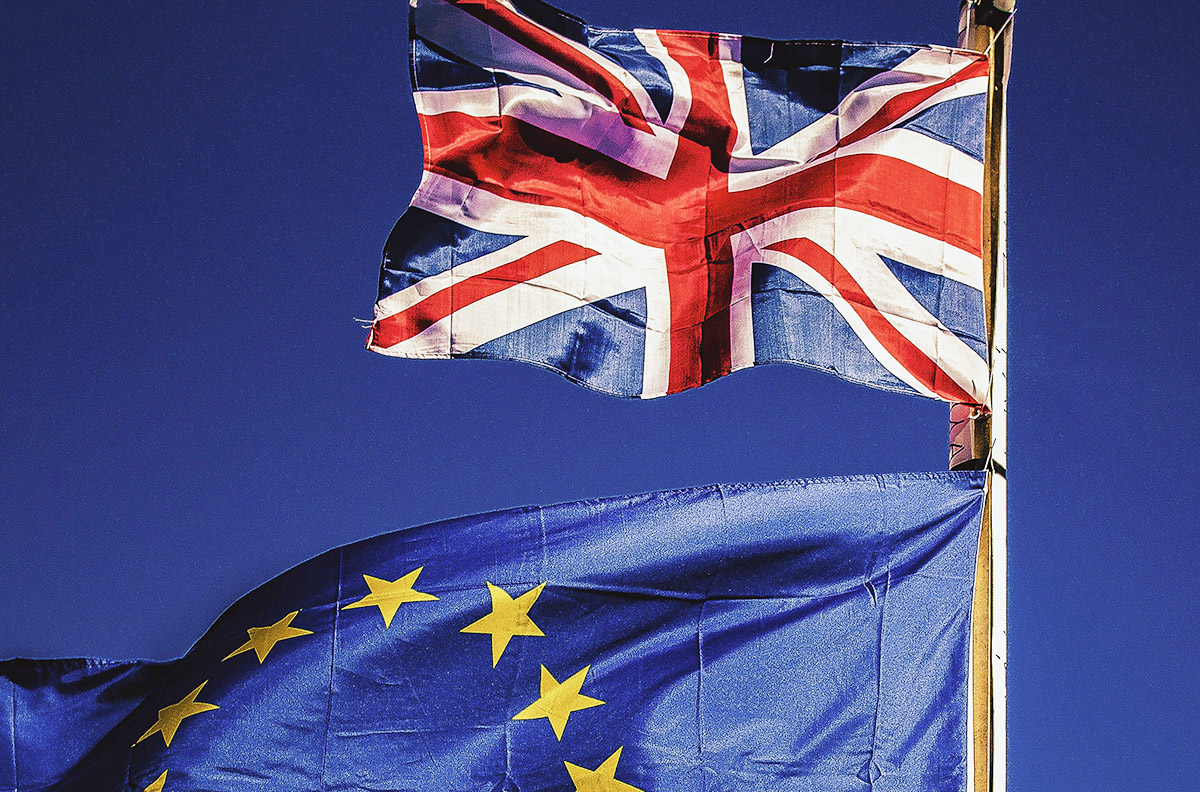
The British government has already postponed the introduction of a new border control system for imports from the EU five times since Brexit. The Import Control System came into force on 31 January 2024. But what does the new system mean for German companies and their exports to the UK?
The new Border Target Operating Model affects all imports
Already since the end of the Brexit transition period on 31 December 2020, it has been expected that the UK would introduce full border controls on imports from the EU, essentially in line with existing rules for imports from other countries. Despite repeated announcements, this process has not yet been implemented due to fears of negative economic consequences for UK businesses and disruption to goods supply chains. Therefore, while exports of goods to the EU have been subject to full EU border controls since 2021, the same does not apply to imports of goods from the EU. With the introduction of the new Border Target Operating Model in 2023, the same customs rules will apply to all imports, regardless of the country of origin. The existing provisions on the movement of goods between Northern Ireland and the Republic of Ireland will remain unaffected.
The new Border Target Operating Model
The newly developed model is considered to be the conclusion of the process that has been underway since April 2022 to introduce full customs controls for all goods traffic with the EU. An essential component is new requirements to digitally transmit customs documents to the customs authorities in the future in order to streamline processes, simplify import controls and reduce costs and expenses for companies; similar to the ICS2 in force on the EU side.
What currently applies to EU imports and what will change?
In principle, the same provisions apply as for all other countries, but with two exceptions:
- So far, no entry summary declarations have to be submitted.
- Health certificates and health checks are not required when importing agricultural and food products.
Both exemption rules will be dropped with the new system and new additional documentation and control obligations for imports will be introduced. In addition, all information relevant to customs must be transmitted digitally in future; in the case of agricultural and food products via the IPAFFS system (Import of products, animals, food and feed system) with a deadline of 48 hours before presentation to customs.
Changeover in three steps
The changeover to the new system is planned in three stages by the end of 2024, a timetable that is considered ambitious by British business representatives and logistics associations. However, the domestic political pressure on the government to finalise the issue continued to increase, particularly due to the 2024 general election.
- 31 January 2024 – Introduction of health certification for imports of animal products, plants, plant products and food (and feed) of non-animal origin with medium risk from the EU.
- 30 April 2024 – Introduce documentary and risk-based identity and physical checks on high-risk animal products, plants, plant products and food (and feed) of non-animal origin from the EU.
- 31 October 2024 – Entry summary declarations for EU imports come into force. In parallel, a reduced data set for imports is introduced.
New risk groups for agricultural and food products
With the second level, agricultural and food products are classified into risk groups: low, medium and high. From the categorisation into one of these groups, the impact depends on the type of goods. For low-risk goods, the import burden is generally reduced. However, if there is a suspicion of an increased risk, examinations can be ordered, and health certificates requested. European companies exporting products from this category to the UK will therefore benefit from the new regulations.
Medium- and high-risk goods, on the other hand, will be subject to stricter import regulations, which will increase the effort required for exports to the UK compared to the current import regulations. Medium-risk products will not only be subject to new health checks and identity controls from 31 January 2024. Importers will also have to submit a health certificate issued by the competent authority in the country of origin of the goods. This category includes in particular meat, dairy and fish products.
Individual products considered to pose a high health risk are already subject to health, identity and physical checks. However, the list of products in this category has been significantly expanded by 30 April 2024.
Impact on groupage traffic for agricultural and food products
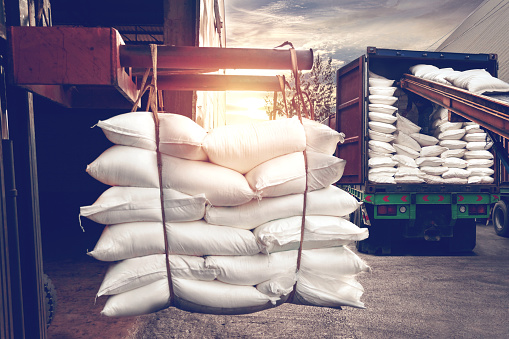
In groupage transport, different products are transported in a “mixed load”. However, this often cheaper and more efficient transport might no longer make sense for agricultural and food products in the future. This is because other goods in the load would then also be affected by any delays at border controls. Presumably, transports of goods especially of the medium-risk group would then become more expensive.
What German exporters should be prepared for
Whether anything changes and what changes for exporters depends very much on which products are exported to the UK. In fact, little will change directly, as the newly required customs documents – especially the Entry Summary Declaration – and health documents will be prepared either by the importer in the UK, by the transporting company or on behalf of the responsible UK customs office. However, in order to avoid delays here, exporting companies should ensure that their trading partners have all the necessary information, in particular on the origin, weight and animal or plant species of the goods. Good coordination between the exporting companies and the importer, as well as compliance with deadlines and pre-notification requirements, are crucial to ensure the successful export of goods to the UK without creating problems related to major infringements.
The only direct changes will be for companies exporting agricultural and food products in the medium risk category to the UK. This is because the health certificates required from 31 January 2024 must be applied for by the exporter in the country of origin of the goods from the national competent authorities and made available to the British importer.
In any case, the digital notification deadline of 48 hours must be observed, i.e. all relevant information and documents must be digitally transmitted to the customs authorities via the relevant systems at least 48 hours before the goods are presented to UK customs. It may therefore also be advisable for the exporter to register with IPAFFS.
Furthermore, companies doing export business with the UK should expect delays in border clearance once the new rules come into force, specifically in the first, second and fourth quarters of 2024. Delays that may have consequences for delivery times and possibly also payment deadlines.
Further Information: CEP Research, Government UK, House of Commons
More articles
Brexit News and FAQ: What you should know about Brexit
With the UK leaving the EU, there have been many changes to shipping to and from the UK – most recently with the introduction of full UK import controls for goods imported from Europe from January 2024. The consequences of Brexit for German companies exporting include customs formalities and higher costs, as well as longer transit times. In our Brexit Shipping FAQ, we answer the most important questions and keep you up to date with all the Brexit news relevant to your shipping.
What changes in the shipment of goods have resulted from Brexit to and from the Great Britain?
As a result of Brexit, the UK is no longer part of the EU customs union. Consequently, there is no longer free movement of goods and British goods imported into an EU country must therefore undergo the regular import customs process and all the required customs declarations and documents must be submitted. In addition, the EU will levy the regular import VAT on imports from the UK.
Please note the following when preparing your shipment:
- You need correctly completed customs documents. Please make sure you inform yourself in good time before sending your shioment.
- Longer delivery times and additional costs may be incurred due to customs clearance
- Additional customs documents and inspections are required for certain product groups (animal and plant products)
- Whether there are any restrictions on goods shipments from the UK due to Brexit
Brexit News: From 1 January 2024, the new Border Target Operating Model (BTOM) will also be introduced on the British side and the last exemption provisions for imports from the EU will be lifted by the end of 2024.
Will it take as long to send to and from the UK as it did before?
Shipping companies always endeavour to deliver all shipments to the recipient as quickly as possible. However, due to the customs clearance that is now required, there are repeated delays in imports to the UK. Most recently, in spring 2024, traders had to accept delays in the introduction of documentary and risk-based identity and goods controls for animal products, plants, plant products and food of non-animal origin through the UK.
We recommend that you always check for express delivery when sending to or from the UK.
Are customs duties and taxes payable?
All goods that have been manufactured entirely in the EU or the UK or that comply with the agreed rules of origin are duty-free. However, for this to be the case, the consignor must comply with a few customs formalities. Companies that export from the EU to the UK must, among other things, enclose commercial invoices with information on the type and value of the goods for the customs authorities. This enables customs officers to assess whether the goods can be imported or exported into a country at all and what controls, if any, are required. It is essential to provide an invoice with the correct information, as this reduces the potential for delays.
What customs-related information and documents are required?
Commercial Invoice
A commercial invoice or pro forma invoice is required for all commercial shipments. This mandatory customs document provides information about the contents and value of the package and contains other relevant information, such as which party pays the customs duties. Invoices that are incorrectly issued or missing can lead to transport delays and additional costs.
A commercial and pro forma invoice must always include the following:
- Full address and contact details of the importer and the sender
- A different delivery address if applicable
- EORI number of the sender and the importer
- HS code
- Date, number and place of invoice
- Description and quantity of goods with customs tariff numbers and values of goods
- Weight
- Declaration of Origin if applicable
You can find further information on how to fill out a commercial or pro forma invoice correctly and a template in your customer account.
You don’t have a customer account yet?
Declaration of Origin
The trade agreement between the UK and the EU, which came into force on 1 January 2022, provides for preferential treatment of certain imported goods originating in the UK. These are exempt from customs duties when imported into the EU. However, this only applies to goods that comply with the rules of origin set out in the agreement.
To take advantage of the preferential treatment, consignors must include a declaration of origin on the commercial invoice. You can find more information on preferential treatment and declarations of origin in our blog article ‘Diagonal cumulation’.
EORI number
The EORI number (Economic Operators’ Registration and Identification) is a requirement of the European Union for companies that import or export goods to and from the customs union. If you have already traded outside the EU, you will already have an EORI number. If you have only been active within the EU so far, you now have to register for it.
Customs tariff number
Consignors must state the corresponding customs tariff number on the customs declaration and on the commercial invoice. The customs numbers are used to classify and categorise goods. Customs officers can use them to determine the applicable duties and taxes. The European customs administration maintains a database in which customs tariff numbers can be accessed. However, these are for guidance only and are not binding on customs officers. In order to have more certainty and clarity, it may be advisable to request binding customs tariff information.
Brexit News: Exceptional case of Northern Ireland
Unlike the other parts of the United Kingdom, Northern Ireland is also leaving and belongs to the customs territory of the United Kingdom, but will continue to be treated as if it were still part of the customs union. After the original agreement had never been fully implemented due to different interpretations, the EU and the United Kingdom concretised the customs conditions for the movement of goods in the Irish Sea between Northern Ireland and Great Britain through the Windsor Framework of 27 February 2023. The original agreement provided that all goods imported from Great Britain to Northern Ireland would have to be checked beforehand according to EU standards. Now, customs relief procedures apply to goods that remain in Northern Ireland and do not enter the EU single market. Furthermore, regulations on VAT and excise duties, the protection of food, animals and plants, and pharmaceuticals have been adapted. However, nothing changes for shippers from the EU:
- no customs declaration necessary
- normal VAT handling
What are your shipping requirements?
We are curious to find out. Shipping requirements in companies are often complex and time-consuming. A task for which you can count on our support. Contact us today and find out more about our shipping services for B2B customers!

Hi, I’m Eike 👋
I’m in the LetMeShip Sales team and ready to get the best rates and shipping options for you.
Let’s talk – We’re Here to Help!
Get a call back or book an appointment at your convenience.